-

‘Loss of confidence’ doesn’t explain enough about command firings
Our guest opinion writer argues that the military should share more about the details of command firings.
-

To deter Iran, US must rethink military basing in the Middle East
Geography is destiny, but when it comes to U.S. bases in the Middle East, it needn’t be, Gen. Kenneth F. McKenzie Jr. (ret.) writes in this op-ed.
-

Junior enlisted pay raise will strengthen the current and future force
A junior enlisted pay raise should be part of a broader defense investment, not an “either-or” choice, Lt. Gen. Brian T. Kelly (ret.) writes in this op-ed.
-

Veterans health records need progress, not congressional sabotage
The overly cautious delays of the VA’s new electronic health records system must end, AMVETS National Executive Director Joe Chenelly writes in this op-ed.
-
The case for giving Ukraine long-range striking power in Russia
The U.S. could benefit Ukraine by doing more to help it to conduct long-range strikes in Russia, the authors of this op-ed argue.
-

Why food insecurity remains a challenge for troops and their families
The unique challenges and lived experiences of service members result in a disproportionate rate of food insecurity, the authors of this op-ed write.
-

The National Guard is in the crosshairs. Congress can save it
In this opinion piece, the author argues that proposed legislative changes to the National Guard could have detrimental effects on the force.
-

How the VA could fix its $15 billion budget shortfall
Insurance subvention is complicated, but it could help alleviate the VA’s massive budget deficit, former VA Secretary David Shulkin argues.
-

Talk of US Iraq withdrawal is disconnected from ISIS threat
Details of a future U.S. military posture in Iraq remain murky, but consequences of a premature withdrawal are clear, the author of this op-ed argues.
-
America’s future advantage depends on quick adoption of advanced tech
The U.S. military must learn from Ukraine and accelerate its adoption of advanced AI and robotics, former Defense Secretary Mark T. Esper argues.
-
‘Loss of confidence’ doesn’t explain enough about command firings
Our guest opinion writer argues that the military should share more about the details of command firings.
-
To deter Iran, US must rethink military basing in the Middle East
Geography is destiny, but when it comes to U.S. bases in the Middle East, it needn’t be, Gen. Kenneth F. McKenzie Jr. (ret.) writes in this op-ed.
-
Junior enlisted pay raise will strengthen the current and future force
A junior enlisted pay raise should be part of a broader defense investment, not an “either-or” choice, Lt. Gen. Brian T. Kelly (ret.) writes in this op-ed.
-
Veterans health records need progress, not congressional sabotage
The overly cautious delays of the VA’s new electronic health records system must end, AMVETS National Executive Director Joe Chenelly writes in this op-ed.
-
The case for giving Ukraine long-range striking power in Russia
The U.S. could benefit Ukraine by doing more to help it to conduct long-range strikes in Russia, the authors of this op-ed argue.
-
Why food insecurity remains a challenge for troops and their families
The unique challenges and lived experiences of service members result in a disproportionate rate of food insecurity, the authors of this op-ed write.
-
The National Guard is in the crosshairs. Congress can save it
In this opinion piece, the author argues that proposed legislative changes to the National Guard could have detrimental effects on the force.
-
How the VA could fix its $15 billion budget shortfall
Insurance subvention is complicated, but it could help alleviate the VA’s massive budget deficit, former VA Secretary David Shulkin argues.
-
Talk of US Iraq withdrawal is disconnected from ISIS threat
Details of a future U.S. military posture in Iraq remain murky, but consequences of a premature withdrawal are clear, the author of this op-ed argues.
-
America’s future advantage depends on quick adoption of advanced tech
The U.S. military must learn from Ukraine and accelerate its adoption of advanced AI and robotics, former Defense Secretary Mark T. Esper argues.
-
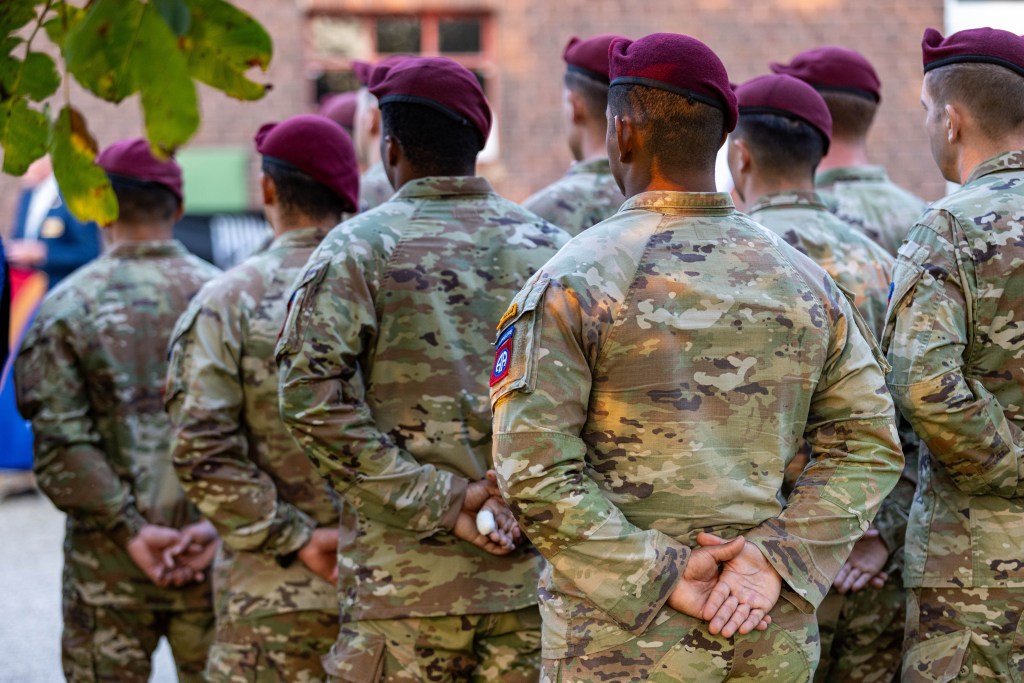
‘Loss of confidence’ doesn’t explain enough about command firings
Our guest opinion writer argues that the military should share more about the details of command firings.
-

To deter Iran, US must rethink military basing in the Middle East
Geography is destiny, but when it comes to U.S. bases in the Middle East, it needn’t be, Gen. Kenneth F. McKenzie Jr. (ret.) writes in this op-ed.
-

Junior enlisted pay raise will strengthen the current and future force
A junior enlisted pay raise should be part of a broader defense investment, not an “either-or” choice, Lt. Gen. Brian T. Kelly (ret.) writes in this op-ed.
-

Veterans health records need progress, not congressional sabotage
The overly cautious delays of the VA’s new electronic health records system must end, AMVETS National Executive Director Joe Chenelly writes in this op-ed.
-
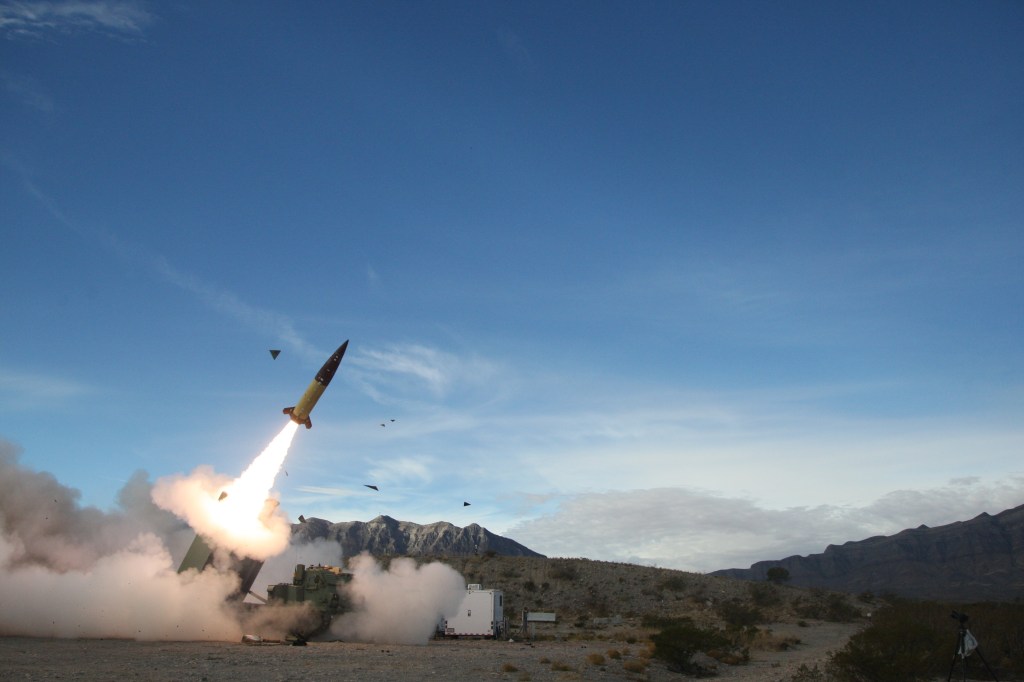
The case for giving Ukraine long-range striking power in Russia
The U.S. could benefit Ukraine by doing more to help it to conduct long-range strikes in Russia, the authors of this op-ed argue.
-

Why food insecurity remains a challenge for troops and their families
The unique challenges and lived experiences of service members result in a disproportionate rate of food insecurity, the authors of this op-ed write.
-

The National Guard is in the crosshairs. Congress can save it
In this opinion piece, the author argues that proposed legislative changes to the National Guard could have detrimental effects on the force.
-

How the VA could fix its $15 billion budget shortfall
Insurance subvention is complicated, but it could help alleviate the VA’s massive budget deficit, former VA Secretary David Shulkin argues.
-

Talk of US Iraq withdrawal is disconnected from ISIS threat
Details of a future U.S. military posture in Iraq remain murky, but consequences of a premature withdrawal are clear, the author of this op-ed argues.
-
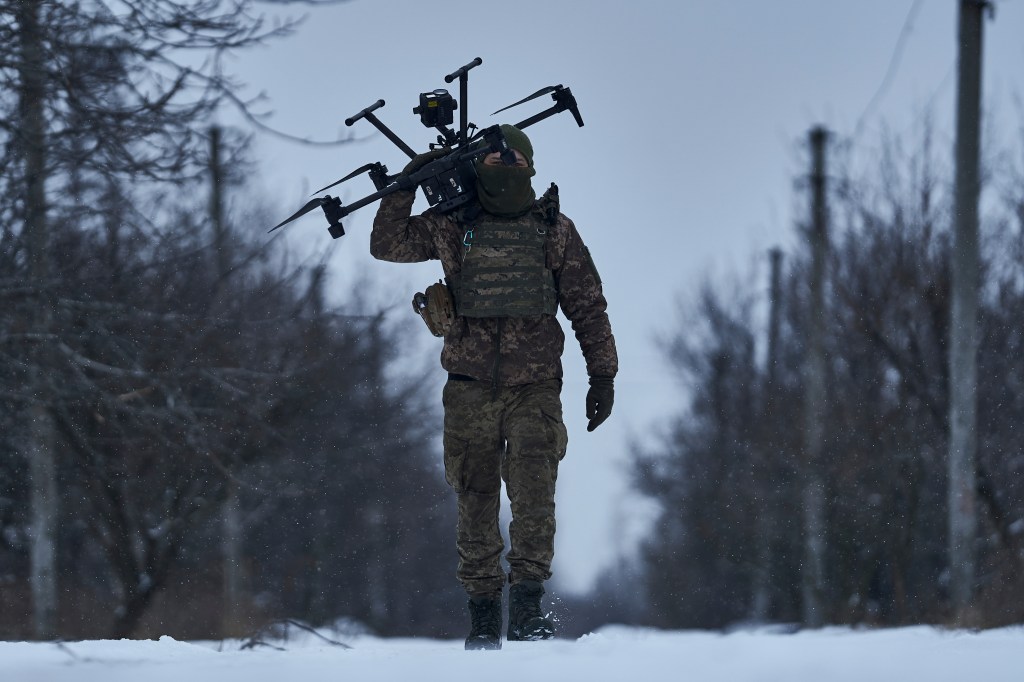
America’s future advantage depends on quick adoption of advanced tech
The U.S. military must learn from Ukraine and accelerate its adoption of advanced AI and robotics, former Defense Secretary Mark T. Esper argues.