-
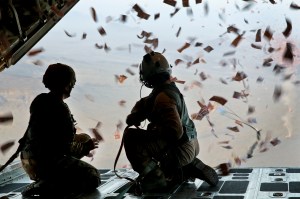
Long-term behavioral change in a knife fight: The future of psychological operations
Psychological operations should be conducted by conventional forces rather than special operations forces to avoid missed opportunities to influence behavior, says the author of this commentary.
-
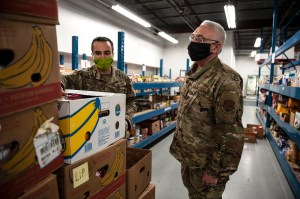
The surprising population left behind by SNAP? The military
Food security for military families should be considered a matter of national security, says the author of this commentary.
-
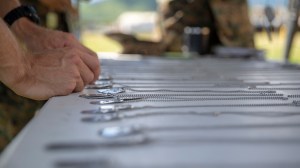
What dog tags can teach us about veteran care coordination in the wake of COVID-19
The authors of this commentary say a modern equivalent to the dog tag, which carries vital information for service members on the battlefield, is needed for health records for veterans seeking care outside the VA health system.
-

Why do we need to be aware that children grieve?
How we can all be more aware of the needs of grieving children this Nov. 19, Children’s Grief Awareness Day.
-
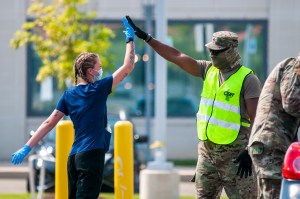
The nurse soldier: Why nurses and soldiers are more similar than you think
The stark differences between the two callings, though obvious, are completely overpowered by the similarities between nursing and soldiering, says a National Guard soldier and civilian nurse in this commentary.
-
Unconditional love tested by ‘don’t ask, don’t tell’
In this commentary, a former Navy corpsman talks about how he reconnected with his mother after disclosing his sexuality under the military’s “don’t ask, don’t tell” policy.
-
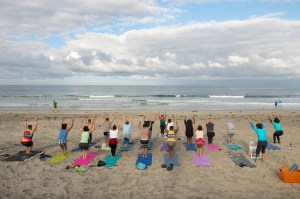
Make America Calm Again: A veteran offers strategies for post-election coping
Here are five strategies to strengthen and protect ourselves from fear and stress.
-

We have a responsibility to do more
The author of this commentary offers advice on how personal acts and long-term actions can reduce the strain members of the military can feel in this time of pandemic.
-
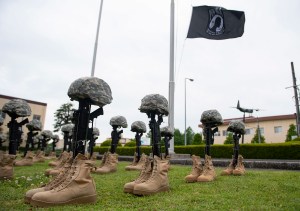
Remember what veterans have sacrificed for the freedoms we enjoy
A Marine Corps veteran recalls painful memories from his service and the loss of his son in an ambush in Niger.
-

When it comes to employing vets, here’s how we can do better
Comprehensive initiatives that address training, mentoring and networking opportunities are among the most effective programs helping veterans transition to a civilian career track, says the author of this commentary.
-
Long-term behavioral change in a knife fight: The future of psychological operations
Psychological operations should be conducted by conventional forces rather than special operations forces to avoid missed opportunities to influence behavior, says the author of this commentary.
-
The surprising population left behind by SNAP? The military
Food security for military families should be considered a matter of national security, says the author of this commentary.
-
What dog tags can teach us about veteran care coordination in the wake of COVID-19
The authors of this commentary say a modern equivalent to the dog tag, which carries vital information for service members on the battlefield, is needed for health records for veterans seeking care outside the VA health system.
-
Why do we need to be aware that children grieve?
How we can all be more aware of the needs of grieving children this Nov. 19, Children’s Grief Awareness Day.
-
The nurse soldier: Why nurses and soldiers are more similar than you think
The stark differences between the two callings, though obvious, are completely overpowered by the similarities between nursing and soldiering, says a National Guard soldier and civilian nurse in this commentary.
-
Unconditional love tested by ‘don’t ask, don’t tell’
In this commentary, a former Navy corpsman talks about how he reconnected with his mother after disclosing his sexuality under the military’s “don’t ask, don’t tell” policy.
-
Make America Calm Again: A veteran offers strategies for post-election coping
Here are five strategies to strengthen and protect ourselves from fear and stress.
-
We have a responsibility to do more
The author of this commentary offers advice on how personal acts and long-term actions can reduce the strain members of the military can feel in this time of pandemic.
-
Remember what veterans have sacrificed for the freedoms we enjoy
A Marine Corps veteran recalls painful memories from his service and the loss of his son in an ambush in Niger.
-
When it comes to employing vets, here’s how we can do better
Comprehensive initiatives that address training, mentoring and networking opportunities are among the most effective programs helping veterans transition to a civilian career track, says the author of this commentary.
-
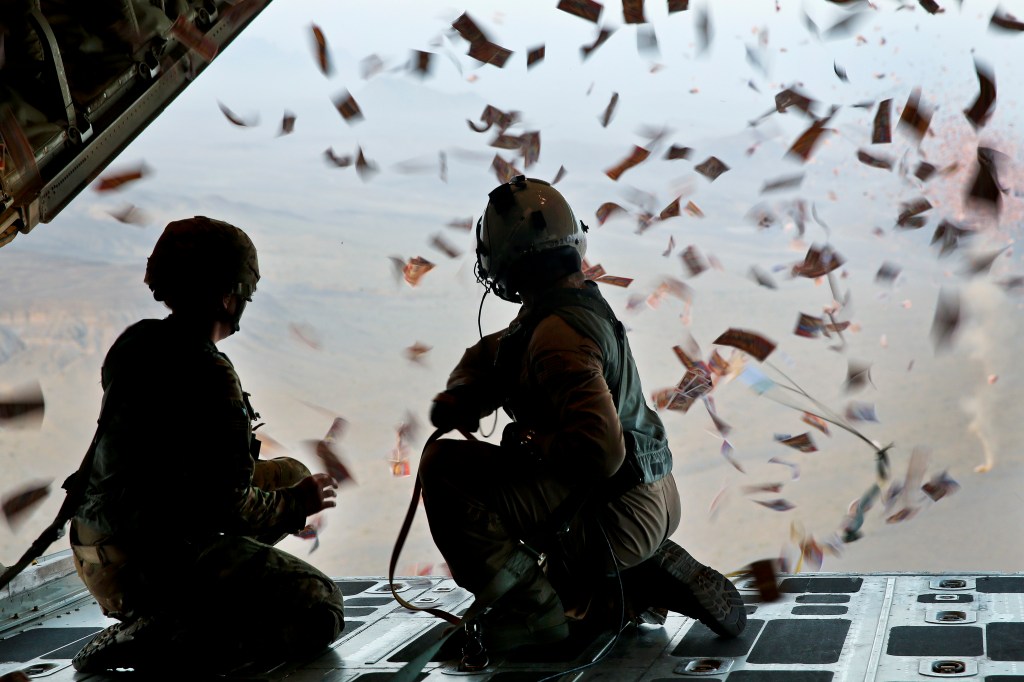
Long-term behavioral change in a knife fight: The future of psychological operations
Psychological operations should be conducted by conventional forces rather than special operations forces to avoid missed opportunities to influence behavior, says the author of this commentary.
-
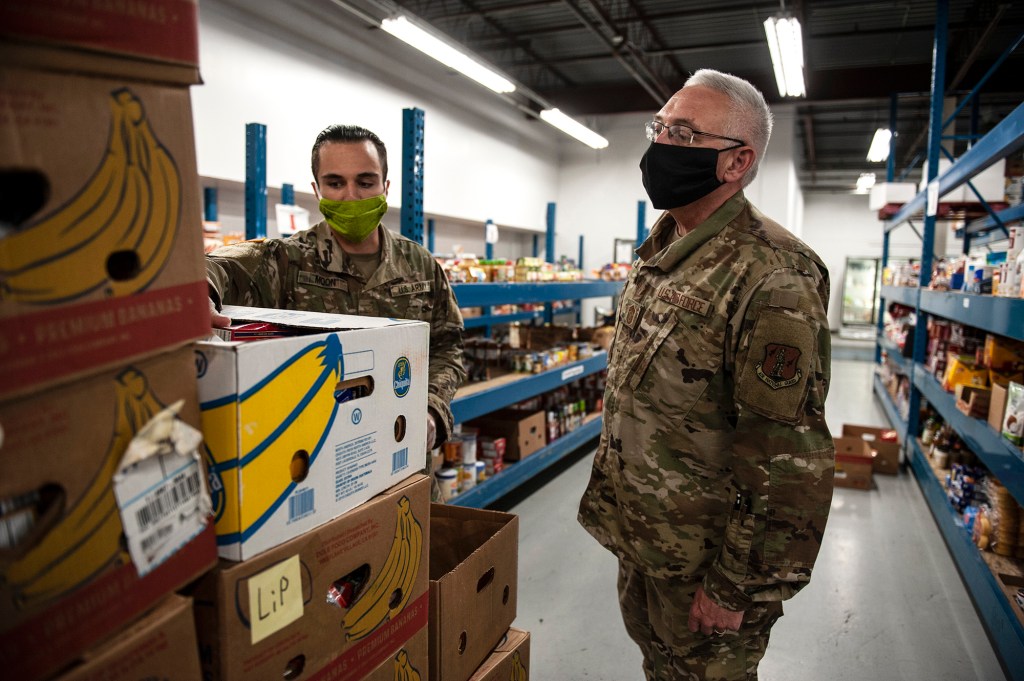
The surprising population left behind by SNAP? The military
Food security for military families should be considered a matter of national security, says the author of this commentary.
-
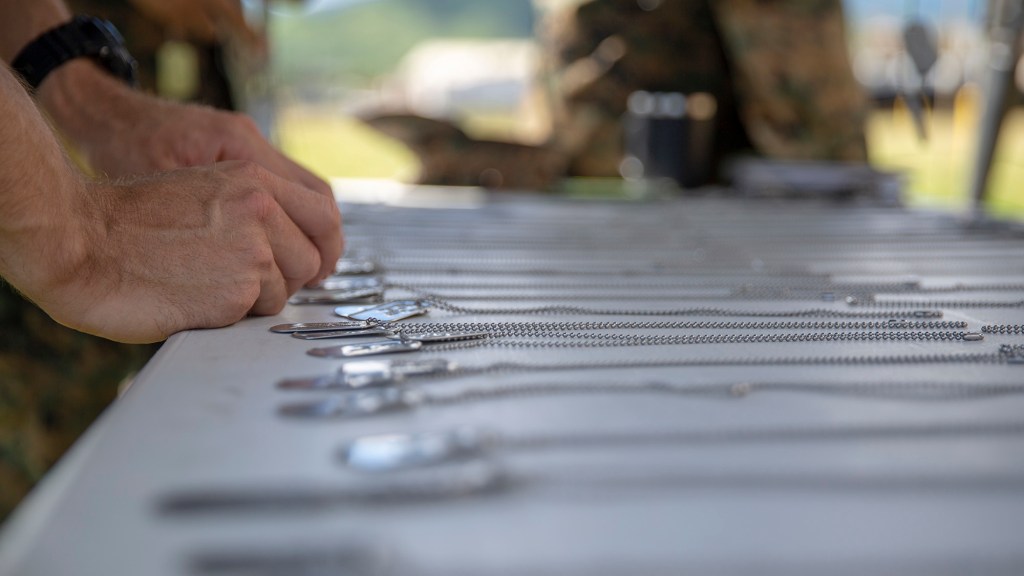
What dog tags can teach us about veteran care coordination in the wake of COVID-19
The authors of this commentary say a modern equivalent to the dog tag, which carries vital information for service members on the battlefield, is needed for health records for veterans seeking care outside the VA health system.
-
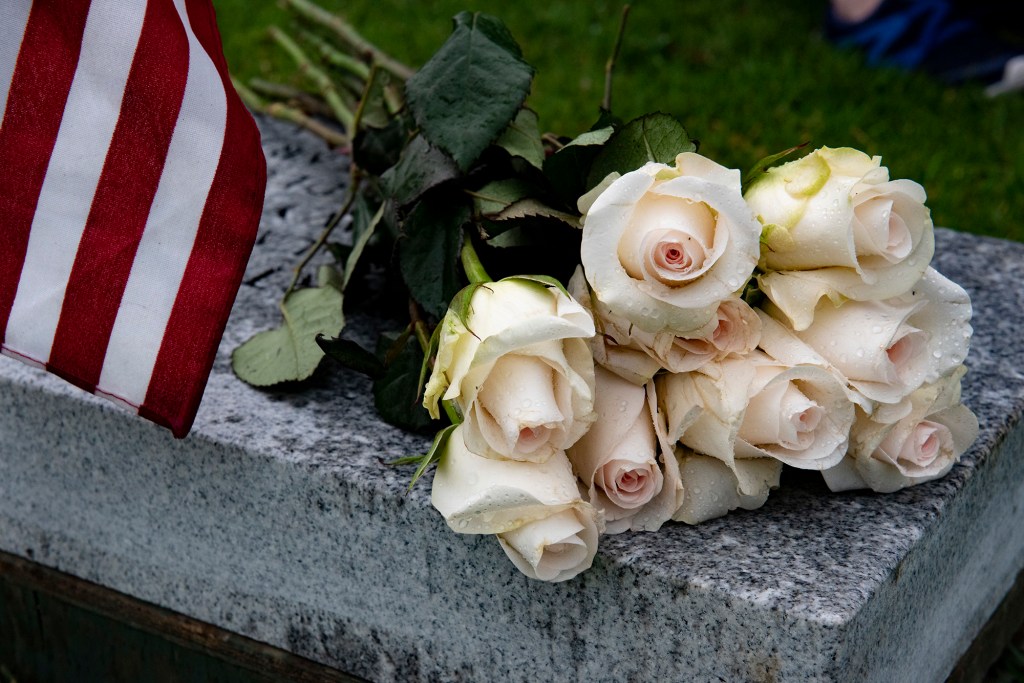
Why do we need to be aware that children grieve?
How we can all be more aware of the needs of grieving children this Nov. 19, Children’s Grief Awareness Day.
-
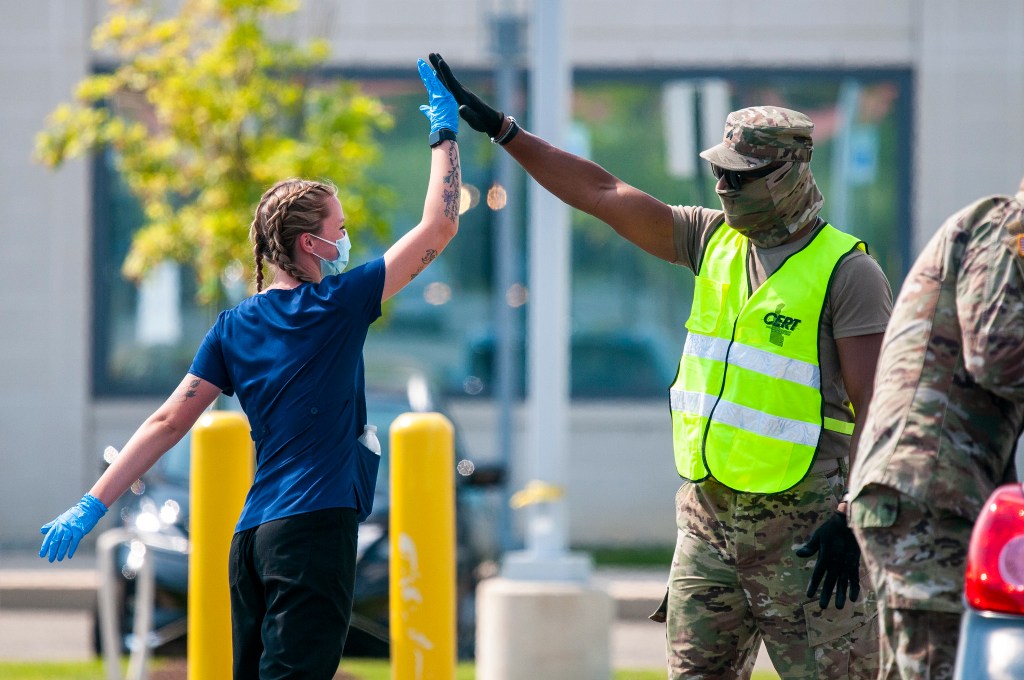
The nurse soldier: Why nurses and soldiers are more similar than you think
The stark differences between the two callings, though obvious, are completely overpowered by the similarities between nursing and soldiering, says a National Guard soldier and civilian nurse in this commentary.
-
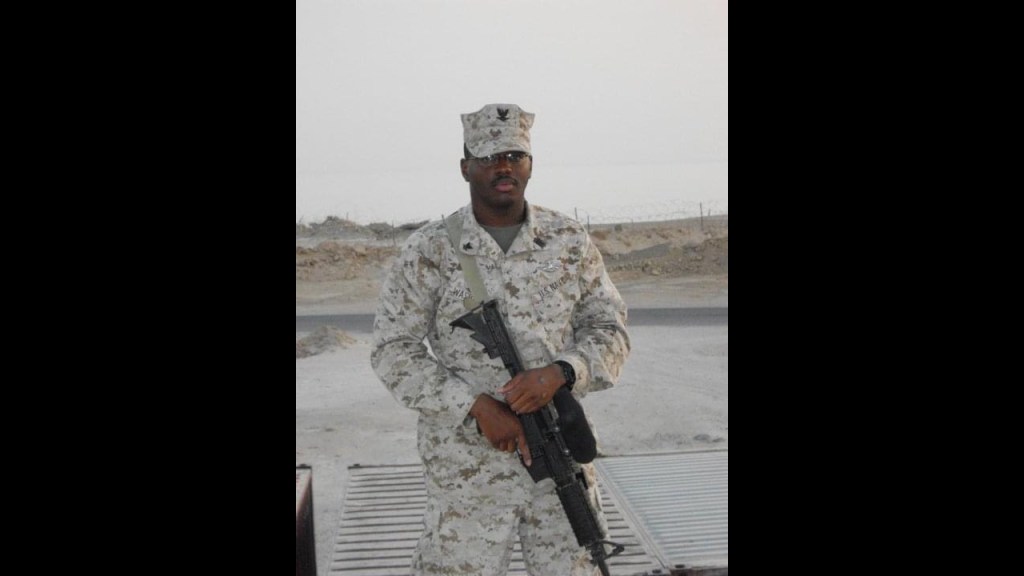
Unconditional love tested by ‘don’t ask, don’t tell’
In this commentary, a former Navy corpsman talks about how he reconnected with his mother after disclosing his sexuality under the military’s “don’t ask, don’t tell” policy.
-
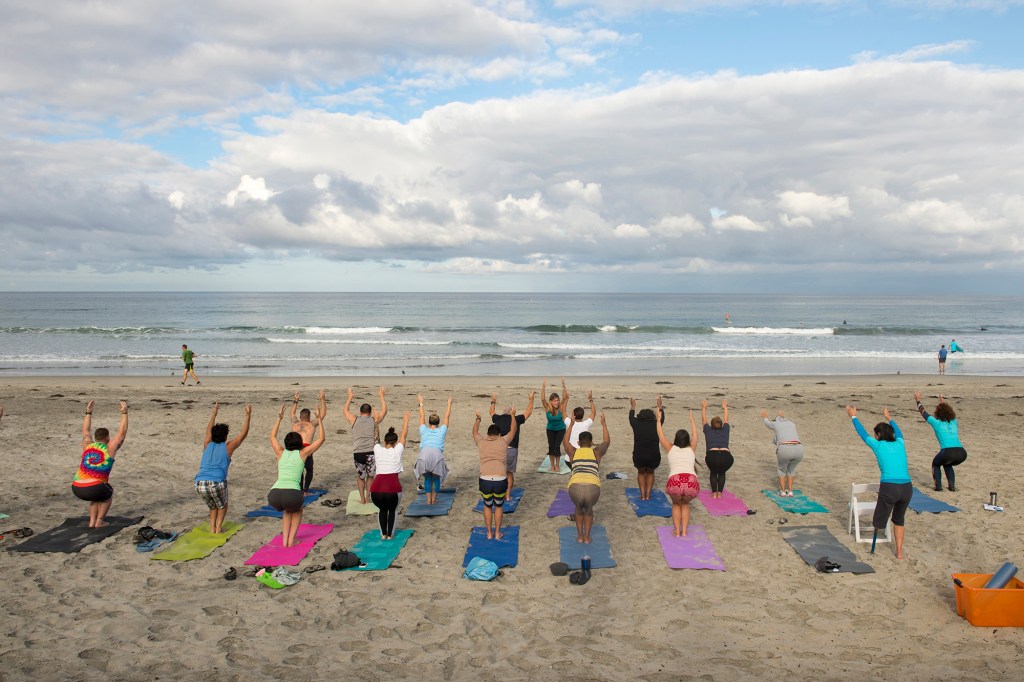
Make America Calm Again: A veteran offers strategies for post-election coping
Here are five strategies to strengthen and protect ourselves from fear and stress.
-
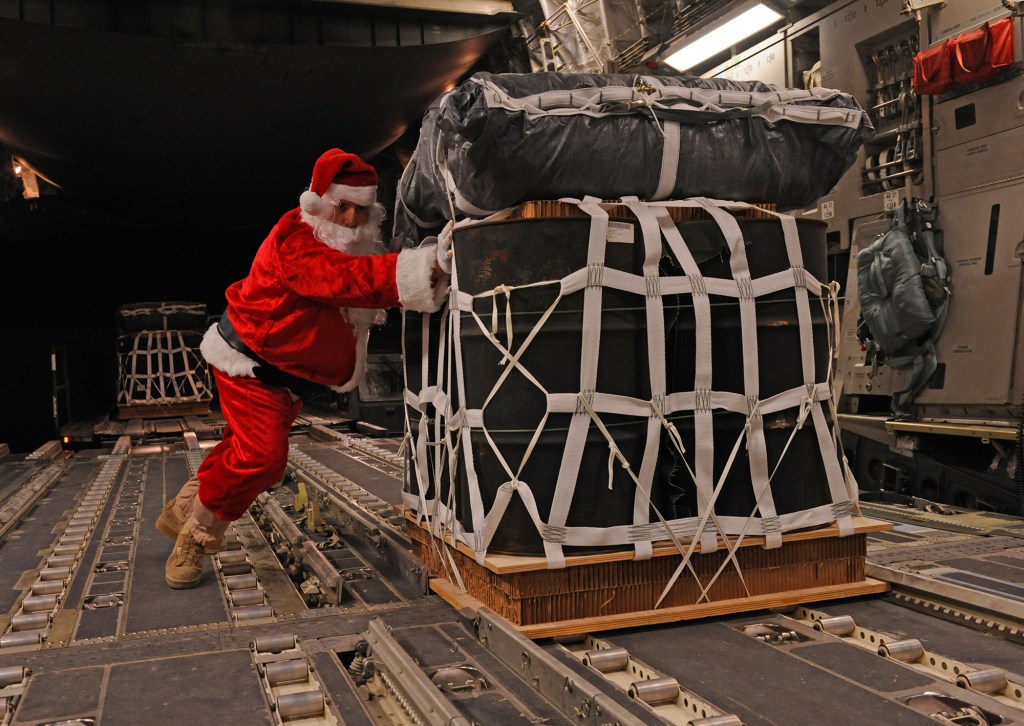
We have a responsibility to do more
The author of this commentary offers advice on how personal acts and long-term actions can reduce the strain members of the military can feel in this time of pandemic.
-
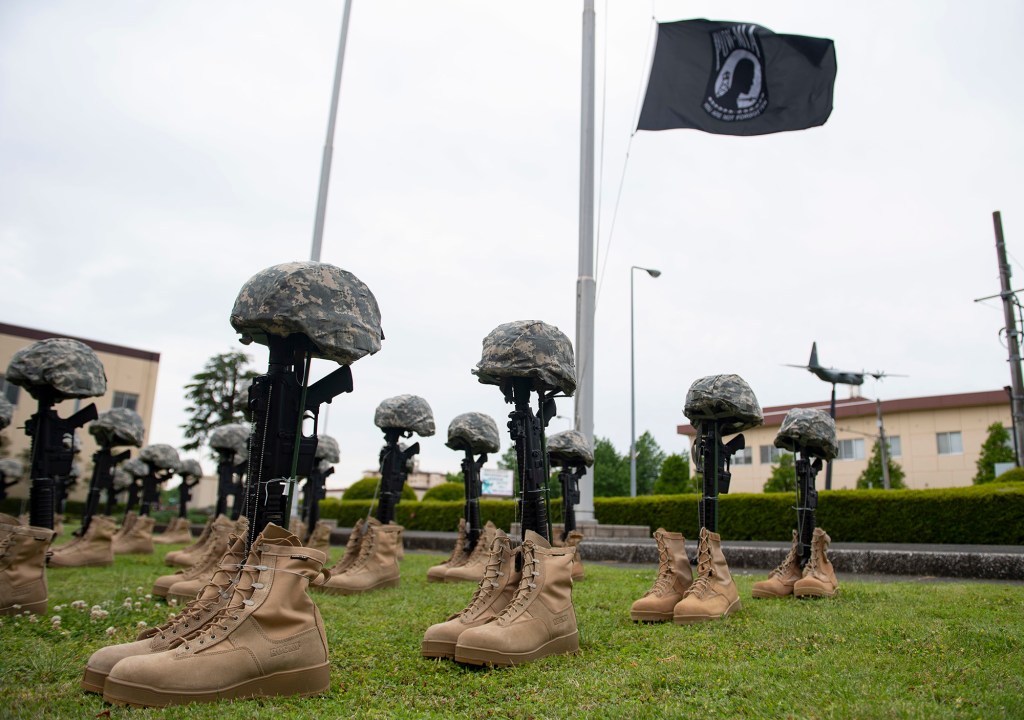
Remember what veterans have sacrificed for the freedoms we enjoy
A Marine Corps veteran recalls painful memories from his service and the loss of his son in an ambush in Niger.
-

When it comes to employing vets, here’s how we can do better
Comprehensive initiatives that address training, mentoring and networking opportunities are among the most effective programs helping veterans transition to a civilian career track, says the author of this commentary.